First published in Songlines Magazine issue 169, July 2021.
Horace Andy
Dance Hall Style (Wackie’s, 1982)
Every festival needs a bona fide veteran on its line-up, and prolific Jamaican singer Horace Andy definitely fits that bill. He’s probably best known now for his guest spots with Massive Attack, but it’s in the dub-heavy roots reggae and proto-dancehall of Dance Hall Style – Andy’s eighth album – that his distinctive high-pitched voice shines brightest.
The Dhol Foundation
Drum-Believable (Shakti Records, 2005)
Over the years, some artists have become WOMAD mainstays, and Johnny Kalsi and his group The Dhol Foundation can certainly count themselves among that class. Blasting their giant Punjabi dhol drums through bhangra, rock and electronica, they’re a guaranteed party starter – never more so than with their certified banger ‘After the Rain’ with Irish fiddler Máiréad Nesbitt from their second album Drum-Believable.
Li Xiangting & Cheng Yu
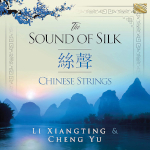
The Sound of Silk (ARC Music, 2019)
Pipa (four-stringed lute) and guqin (seven-stringed fretless zither) player Cheng Yu is one of the UK’s foremost Chinese musicians – her album of duets with her mentor Li Xiangting got a five-star review in Songlines. Her quartet Silk Breeze recorded a session of beautiful sizhu music for the WOMAD@Home series last summer, playing among the idyllic surrounds of Real World Studios; they’ll surely bring the same serene atmosphere to Charlton Park in July.
Lokkhi Terra meets Dele Sosimi
Cubafrobeat (Funkiwala Records, 2018)
Two for the price of one here: Lokkhi Terra, the London-based South Asian-flavoured Cuban big band, and Dele Sosimi, Afrobeat keys player and member of the legendary Egypt 80, are both on the line-up for WOMAD this year. Their collaborative album linked Yoruba cultures from both sides of the Atlantic to huge success. Fingers crossed for an on-stage reunion?
Mariza
Concerto em Lisboa (EMI Portugal, 2006)
Portuguese fado, with all its melodramatic flair and delicate, emotional moments, is always most powerful when experienced live, and the modern era’s biggest star is no exception. This live album shows Mariza at her best as a performer, accompanied by the Sinfonietta de Lisboa in front of 25,000 people in fado’s hometown. Granted, she’s not bringing the Sinfonietta to WOMAD, but her voice is an orchestra all on its own.
Onipa
We No Be Machine (IK7 Music, 2020)
Headed by Ghanaian-British singer and rapper K.O.G. and Nubiyan Twist guitarist and producer Tom Excell, Onipa use their hip-hop and jazz pedigree to combine vintage highlife grooves, dirty synths and layers of percussion. This is ‘savannah bass’, Onipa’s own exciting Afrofuturist style, and you couldn’t really wish for a more appropriate festival soundtrack – sound of the summer!
Gwenifer Raymond
Strange Lights Over Garth Mountain (Tomkins Square, 2020)
WOMAD has always had a knack for bringing new or lesser-known musicians to the fore, and Gwenifer Raymond may just be your discovery of 2021. Her second album showcases her mastery of the acoustic guitar with a mix of American blues and country roots, folk baroque and subtle influences from India and Wales. Engaging, entrancing and entirely solo – one to watch!
SEED Ensemble
Driftglass (jazz re:freshed, 2019)
Jazz has become a consistent element of the WOMAD line-up in recent editions, and it’s especially prevalent this year. Artists such as Nubiyan Twist, Cinematic Orchestra, The Comet is Coming, Joe Armon-Jones, Sarathy Korwar and Kefaya provide a heterogeneous overview of London’s booming jazz scene and Seed (as they are now known) are sure to be a highlight: their Caribbean and West African-informed 2019 debut earned them a Mercury nomination.
Anoushka Shankar
Reflections (Deutsche Grammophon, 2019)
Shankar’s career has taken so many different directions that you never know quite what she’s going to bring to the stage – the sitarist’s music has encompassed deeply traditional Hindustani classical music as well as Western classical styles, flamenco, jazz, electronica and, most recently, sophisticated and intimate art-pop. This recent self-curated retrospective gives some idea of what to expect from her headline slot this year.
Joseph Tawadros
Betrayal of a Secret Sunflower (JT Records, 2019)
The Egypt-born, Australia-raised and UK-based oud player and composer has graced the stage at WOMADelaide three times and – after a year’s delay – finally makes his UK WOMAD debut. His personality and dress sense are famously extravagant and exquisite, but his most recent album shows that he has no issue making his music serious, subtle, and sublime.
This blog is a compendium of my music writing throughout the years. I try to post updates about a month after first publication, but I'm often very behind - please bear with me!
Showing posts with label Playlist. Show all posts
Friday, 18 June 2021
Friday, 9 April 2021
Essential 10: Live Albums
First published in Songlines Magazine issue 167, May 2021.
Nikhil Banerjee
Afternoon Ragas (Raga Records, 1992)
This performance by sitar great Nikhil Banerjee, recorded in a museum in Rotterdam in 1970, is simply supreme. The 10-minute alap on Raga Bhimpalasri that opens the album is surely one of the most transcendent ever put to record. Accompanied by Kanai Dutta on tabla, Banerjee guides us through the serenity and the fireworks of ragas Bhimpilasri and Multani. Forget Rotterdam, this album can take you somewhere else entirely.
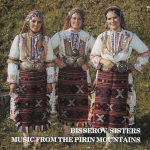
Bisserov Sisters
Music from the Pirin Mountains (PAN Records, 1990)
Recorded in concert at the Paradiso in Amsterdam, the Bisserov Sisters (together with their instrumentalists the Trio Karadzovska) give a whirlwind tour of the many folk styles of the south-western Bulgarian mountain village of Pirin, from the iconic vocal polyphony to all-instrumental dances and lots more in between. Beautifully performed, the resulting 26-track album is interesting and intriguing in equal measure.
Fatoumata Diawara & Roberto Fonseca
At Home: Live in Marciac (Jazz Village, 2015)
Of many attempted African-Latin collaborations, this is among the best. Between Diawara’s breathtaking voice and Fonseca’s nimble Cuban jazz piano, the connection feels completely natural, unforced and personal. Powerful and driving or subtle and sweet, the two masters match each other every step of the way. This recording from the Jazz in Marciac festival remains their only full-length release together.
Oum Kalthoum
Al Atlal (Sono Cairo, 1966)
Oum Kalthoum is one of the world’s bona fide megastars, revered not only in her native Egypt but across the Arab world and far beyond. She was known for her extended live performances, and Al Atlal (The Ruin) consists of a single 48-minute song of melancholy, despair and utter beauty. It is widely considered to be Kalthoum’s greatest achievement, maybe even the greatest Arabic song ever sung.
Ozomatli
Live at the Fillmore (Concord Records, 2005)
How much dancing is your body ready for? Mariachi, cumbia, salsa, norteño, hip-hop, funk, rock, samba and influences from every continent: it’s all here in one band. Ozomatli are one of the greatest of all party bands, known for their on-stage and in-crowd antics as well as their social consciousness. This sweat-soaked CD+DVD set gives a clue as to the dangerously high levels of ecstatic energy they bring.
Radio Tarifa
Fiebre (World Circuit, 2003)
The Iberian Peninsula and North Africa are only 13km apart, but Radio Tarifa’s music makes them feel even closer. Here, Spanish flamenco and Moroccan chaabi become one and the same. This retrospective-in-concert of the group’s first ten years results in a smoldering album that occasionally bursts out into full flamenco flame without ever leaving the souk.
Rachid Taha, Khaled, Faudel
1, 2, 3 Soleils (Barclay France, 1998)
This one-off supergroup show at Paris’ Bercy Stadium by the three biggest voices in rai – the king Khaled, the prince Faudel and the rebel Taha – was always going to be an extravaganza. With a 40-piece orchestra on top of the usual rai ensemble, this 2CD album is cheesy Algerian pop at its best. No wonder they sold out a stadium.
Lobi Traoré
Bamako Nights: Live at Bar Bozo 1995 (Glitterbeat, 2013)
There’s worse places to be than in a small, crowded bar in perhaps the world’s most musical city. Bamako Nights presents one of guitarist Lobi Traoré’s regular all-nighters in the Malian capital’s grungiest bar. Traoré’s electric Bamana blues is sometimes brooding, sometimes roaring, always grooving. And when he goes full-on Hendrix, it seems like Bar Bozo would be the best place on Earth.
Various Artists
Le Festival au Désert (Independent Records, 2003)
The Festival in the Desert is one of those legendary events spoken about in hushed, reverential tones: a stage set up in the village of Essakane in the Sahara desert where local Tuareg musicians rubbed shoulders with Malian giants and international stars, surrounded by camel races and fire dancers. It would sound like fantasy if we didn’t have recorded evidence that it happened.
Various Artists
Music and Rhythm: WOMAD 1982-2007 (WOMAD, 2007)
WOMAD is the standard bearer for world music festivals across the globe, and this 25th anniversary souvenir set tells its story with three CDs and a book. It features rare and wonderful live recordings from throughout the festival’s history, including the very first piece performed at the inaugural event in 1982 – ‘Raindrops Pattering on Banana Leaves’ by the Tianjin Music and Dance Ensemble.
Nikhil Banerjee
Afternoon Ragas (Raga Records, 1992)
This performance by sitar great Nikhil Banerjee, recorded in a museum in Rotterdam in 1970, is simply supreme. The 10-minute alap on Raga Bhimpalasri that opens the album is surely one of the most transcendent ever put to record. Accompanied by Kanai Dutta on tabla, Banerjee guides us through the serenity and the fireworks of ragas Bhimpilasri and Multani. Forget Rotterdam, this album can take you somewhere else entirely.
Bisserov Sisters
Music from the Pirin Mountains (PAN Records, 1990)
Recorded in concert at the Paradiso in Amsterdam, the Bisserov Sisters (together with their instrumentalists the Trio Karadzovska) give a whirlwind tour of the many folk styles of the south-western Bulgarian mountain village of Pirin, from the iconic vocal polyphony to all-instrumental dances and lots more in between. Beautifully performed, the resulting 26-track album is interesting and intriguing in equal measure.
Fatoumata Diawara & Roberto Fonseca
At Home: Live in Marciac (Jazz Village, 2015)
Of many attempted African-Latin collaborations, this is among the best. Between Diawara’s breathtaking voice and Fonseca’s nimble Cuban jazz piano, the connection feels completely natural, unforced and personal. Powerful and driving or subtle and sweet, the two masters match each other every step of the way. This recording from the Jazz in Marciac festival remains their only full-length release together.
Oum Kalthoum
Al Atlal (Sono Cairo, 1966)
Oum Kalthoum is one of the world’s bona fide megastars, revered not only in her native Egypt but across the Arab world and far beyond. She was known for her extended live performances, and Al Atlal (The Ruin) consists of a single 48-minute song of melancholy, despair and utter beauty. It is widely considered to be Kalthoum’s greatest achievement, maybe even the greatest Arabic song ever sung.
Ozomatli
Live at the Fillmore (Concord Records, 2005)
How much dancing is your body ready for? Mariachi, cumbia, salsa, norteño, hip-hop, funk, rock, samba and influences from every continent: it’s all here in one band. Ozomatli are one of the greatest of all party bands, known for their on-stage and in-crowd antics as well as their social consciousness. This sweat-soaked CD+DVD set gives a clue as to the dangerously high levels of ecstatic energy they bring.
Radio Tarifa
Fiebre (World Circuit, 2003)
The Iberian Peninsula and North Africa are only 13km apart, but Radio Tarifa’s music makes them feel even closer. Here, Spanish flamenco and Moroccan chaabi become one and the same. This retrospective-in-concert of the group’s first ten years results in a smoldering album that occasionally bursts out into full flamenco flame without ever leaving the souk.
Rachid Taha, Khaled, Faudel
1, 2, 3 Soleils (Barclay France, 1998)
This one-off supergroup show at Paris’ Bercy Stadium by the three biggest voices in rai – the king Khaled, the prince Faudel and the rebel Taha – was always going to be an extravaganza. With a 40-piece orchestra on top of the usual rai ensemble, this 2CD album is cheesy Algerian pop at its best. No wonder they sold out a stadium.
Lobi Traoré
Bamako Nights: Live at Bar Bozo 1995 (Glitterbeat, 2013)
There’s worse places to be than in a small, crowded bar in perhaps the world’s most musical city. Bamako Nights presents one of guitarist Lobi Traoré’s regular all-nighters in the Malian capital’s grungiest bar. Traoré’s electric Bamana blues is sometimes brooding, sometimes roaring, always grooving. And when he goes full-on Hendrix, it seems like Bar Bozo would be the best place on Earth.
Various Artists
Le Festival au Désert (Independent Records, 2003)
The Festival in the Desert is one of those legendary events spoken about in hushed, reverential tones: a stage set up in the village of Essakane in the Sahara desert where local Tuareg musicians rubbed shoulders with Malian giants and international stars, surrounded by camel races and fire dancers. It would sound like fantasy if we didn’t have recorded evidence that it happened.
Various Artists
Music and Rhythm: WOMAD 1982-2007 (WOMAD, 2007)
WOMAD is the standard bearer for world music festivals across the globe, and this 25th anniversary souvenir set tells its story with three CDs and a book. It features rare and wonderful live recordings from throughout the festival’s history, including the very first piece performed at the inaugural event in 1982 – ‘Raindrops Pattering on Banana Leaves’ by the Tianjin Music and Dance Ensemble.
Friday, 10 April 2020
My World: David Rothenberg
First published in Songlines Magazine issue 157, May 2020.
Nightingales, cicadas, whales, lyrebirds: the list of David Rothenberg’s collaboratiors makes it obvious that he thinks and feels music in a different way to most. Across his books, albums and films, Rothenberg has examined the sounds of the natural world and their inherent musicality. Although he tackles these projects with an academic eye (he is the Distinguished Professor of Music and Philosophy at the New Jersey Institute of Technology), he does not do so as a stoic, distanced researcher, but as an active and passionate participant. With his clarinet, he creates fascinating inter-species jams that span the realms of jazz, ambient music and electronica, all the while tapping into worlds that are ultimately beyond our understanding.
To understand the sonic beauty of nature, Rothenberg has his own deep relationship to music of human origin. One of his key inspirations as a musician and musical thinker is the output of the iconic jazz and art music label ECM. “What interests me in ECM artists is that everyone is such an individual. Everyone has a unique quality that’s not super-fast or constant, in-your-face showing-off.” For Rothenberg, the profundity of the label’s output is distilled in his first playlist track, Sinikka Langeland’s 2011 piece ‘What is Tomorrow?’. “This to me is like the ultimate ECM track, it has everything and it’s unique,” he says. “Some people say that ECM sounds are kind of blurry, generic, too much reverb – this does not have any of that. It really stands out because it mixes jazz improvisers with folk music. When I lived in Norway after college, I heard her sing and play the kantele, and what was remarkable about that performance was that she cried in the middle of it. She was performing this Finnish folk music that brings you to tears as you play and sing. She has a very special tone of voice, it’s unusual, compelling. In her band, she has these great soloists who don’t solo, it’s this beautiful understated style. You couldn’t find anyone else to play just like that.” As is the ECM speciality, it’s an intense but calm sound full of emotion, and one that is easy to draw comparisons to the transcendental.
Taking that vibe to the next level, another next playlist pick, ‘Prayer and Despair’, was composed by spiritual leader and esotericist GI Gurdjieff. “I learnt about [him] in high school and college, mostly. We were into all this spiritual stuff, we saw Peter Brook’s film Meetings with Remarkable Men, and read Gurdjieff’s autobiography that it was based on. What’s remarkable about him is, who knows what he did? Was he part-explorer, part-charlatan, part-mystic teacher?” As a composer, Gurdjieff’s work was no more ordinary than his teachings. “He wandered around and grabbed bits of the world’s music and put them together. He’d have these ideas and then Thomas de Hartmann wrote them down as Gurdjieff improvised them at the piano. With de Hartmann playing, it’s this beautiful historic sound. This music cuts through towards something really deep. You do not want to play it in the car, you’ll start to space out! There’s something special going on in this music. You can’t quite say what it is, and that’s why I keep coming back to it.”
Just as he undertakes his research with humour and joy, Rothenberg’s playlist isn’t solely populated by the cerebral or ethereal. “I’m not such a serious person, you know!” Which takes us to the 2007 Eurovision Song Contest entry for Israel, Teapacks’ ‘Push the Button’. An unusual pick for an American, perhaps? “This was from the first few years after I met my wife, who’s from Estonia. She’s really excited about the Eurovision Song Contest, which of course I’d never heard of. We were in Estonia when it was on, and this one song really stood out. It didn’t win, but it was by far the best. It doesn’t sound like Eurovision – that’s why it’s good! These guys are rapping in different languages, Arabic, Hebrew, French, and it’s all about nuclear war coming. If you find the video, this guy’s playing a double-necked oud, which I think is pretty funny. It’s just making fun of everything, it’s a very fun song.” Holding space for both the serious and the silly seems like an important quality for Rothenberg, but they don’t necessarily have to be polar opposites. “I guess there is something that holds this in common even with Gurdjieff, in this way of finding what’s most universal about the world’s music and putting it together. Not turning it all into this global pop mush where everyone really wants to sound the same, but something authentic, something that can grab you.”
And when music grabs you, it grabs you – and it can come from some of the most unexpected places, as it did with Chilean rapper Ana Tijoux’s ‘1977’. “I first heard this song on Breaking Bad, probably the only long-running TV show where it’s actually worth watching all the episodes. It’s brilliantly done. It was this scene where they use sped-up time-lapse photography and this weird song comes on. It’s not music I know too much about, but I like the whole mixture of things, cutting and pasting different fragments of all these different styles.” Rothenberg even uses Tijoux’s Spanish-language rap as a teaching aid. “I often teach music classes for undergraduates who don’t specialise in music, and a lot of them want to write papers on how hip-hop has conquered the world and how it brings everyone together, but many of them have no idea that anyone raps in any language but English. It doesn’t even occur to them that it could happen. I’m kind of astonished as to why that is; this dominance of English is not a good thing.”
One thing that English is near-perfect for, though, is telling stories about England. Simon Emmerson’s Imagined Village project updated the meaning of English folk music to represent the country as it exists today, and Billy Bragg’s reworking of the traditional ‘Hard Times of Old England’ sums up that goal for Rothenberg. “That’s just a really great song. It takes a classic old song but turned into what’s going on in modern-day England. What I like about it that is the spirit of it and how it’s put together, and how it gets to an optimistic possibility in the future, like there’s going to be a different England someday. I’m sure that’s a message you definitely need to hear now!”
Although this optimism reflects Rothenberg’s own work and music, for an artist primarily known for his connection with nature, I expected his playlist to feature more tracks of an animalian bent. But, of course, they all are – the unavoidable fact is that we are but animals ourselves. By helping us to remember and embrace this, Rothenberg says that music can help us make a difference: “Every musician should listen to the sounds of nature and all things around us. There’s so much awe and beauty, and the more we value this stuff the more we’ll work to save this natural world that is under siege. I have no illusions that music is going to save the world, but it can do its own little part. Sound is an incredible part of the world around us, and we’re just one of many creatures. That’s why I make music with nightingales.”
Photo: Still from the film Nightingales in Berlin (2019, dir. Ville Tanttu).
Nightingales, cicadas, whales, lyrebirds: the list of David Rothenberg’s collaboratiors makes it obvious that he thinks and feels music in a different way to most. Across his books, albums and films, Rothenberg has examined the sounds of the natural world and their inherent musicality. Although he tackles these projects with an academic eye (he is the Distinguished Professor of Music and Philosophy at the New Jersey Institute of Technology), he does not do so as a stoic, distanced researcher, but as an active and passionate participant. With his clarinet, he creates fascinating inter-species jams that span the realms of jazz, ambient music and electronica, all the while tapping into worlds that are ultimately beyond our understanding.
To understand the sonic beauty of nature, Rothenberg has his own deep relationship to music of human origin. One of his key inspirations as a musician and musical thinker is the output of the iconic jazz and art music label ECM. “What interests me in ECM artists is that everyone is such an individual. Everyone has a unique quality that’s not super-fast or constant, in-your-face showing-off.” For Rothenberg, the profundity of the label’s output is distilled in his first playlist track, Sinikka Langeland’s 2011 piece ‘What is Tomorrow?’. “This to me is like the ultimate ECM track, it has everything and it’s unique,” he says. “Some people say that ECM sounds are kind of blurry, generic, too much reverb – this does not have any of that. It really stands out because it mixes jazz improvisers with folk music. When I lived in Norway after college, I heard her sing and play the kantele, and what was remarkable about that performance was that she cried in the middle of it. She was performing this Finnish folk music that brings you to tears as you play and sing. She has a very special tone of voice, it’s unusual, compelling. In her band, she has these great soloists who don’t solo, it’s this beautiful understated style. You couldn’t find anyone else to play just like that.” As is the ECM speciality, it’s an intense but calm sound full of emotion, and one that is easy to draw comparisons to the transcendental.
Taking that vibe to the next level, another next playlist pick, ‘Prayer and Despair’, was composed by spiritual leader and esotericist GI Gurdjieff. “I learnt about [him] in high school and college, mostly. We were into all this spiritual stuff, we saw Peter Brook’s film Meetings with Remarkable Men, and read Gurdjieff’s autobiography that it was based on. What’s remarkable about him is, who knows what he did? Was he part-explorer, part-charlatan, part-mystic teacher?” As a composer, Gurdjieff’s work was no more ordinary than his teachings. “He wandered around and grabbed bits of the world’s music and put them together. He’d have these ideas and then Thomas de Hartmann wrote them down as Gurdjieff improvised them at the piano. With de Hartmann playing, it’s this beautiful historic sound. This music cuts through towards something really deep. You do not want to play it in the car, you’ll start to space out! There’s something special going on in this music. You can’t quite say what it is, and that’s why I keep coming back to it.”
Just as he undertakes his research with humour and joy, Rothenberg’s playlist isn’t solely populated by the cerebral or ethereal. “I’m not such a serious person, you know!” Which takes us to the 2007 Eurovision Song Contest entry for Israel, Teapacks’ ‘Push the Button’. An unusual pick for an American, perhaps? “This was from the first few years after I met my wife, who’s from Estonia. She’s really excited about the Eurovision Song Contest, which of course I’d never heard of. We were in Estonia when it was on, and this one song really stood out. It didn’t win, but it was by far the best. It doesn’t sound like Eurovision – that’s why it’s good! These guys are rapping in different languages, Arabic, Hebrew, French, and it’s all about nuclear war coming. If you find the video, this guy’s playing a double-necked oud, which I think is pretty funny. It’s just making fun of everything, it’s a very fun song.” Holding space for both the serious and the silly seems like an important quality for Rothenberg, but they don’t necessarily have to be polar opposites. “I guess there is something that holds this in common even with Gurdjieff, in this way of finding what’s most universal about the world’s music and putting it together. Not turning it all into this global pop mush where everyone really wants to sound the same, but something authentic, something that can grab you.”
And when music grabs you, it grabs you – and it can come from some of the most unexpected places, as it did with Chilean rapper Ana Tijoux’s ‘1977’. “I first heard this song on Breaking Bad, probably the only long-running TV show where it’s actually worth watching all the episodes. It’s brilliantly done. It was this scene where they use sped-up time-lapse photography and this weird song comes on. It’s not music I know too much about, but I like the whole mixture of things, cutting and pasting different fragments of all these different styles.” Rothenberg even uses Tijoux’s Spanish-language rap as a teaching aid. “I often teach music classes for undergraduates who don’t specialise in music, and a lot of them want to write papers on how hip-hop has conquered the world and how it brings everyone together, but many of them have no idea that anyone raps in any language but English. It doesn’t even occur to them that it could happen. I’m kind of astonished as to why that is; this dominance of English is not a good thing.”
One thing that English is near-perfect for, though, is telling stories about England. Simon Emmerson’s Imagined Village project updated the meaning of English folk music to represent the country as it exists today, and Billy Bragg’s reworking of the traditional ‘Hard Times of Old England’ sums up that goal for Rothenberg. “That’s just a really great song. It takes a classic old song but turned into what’s going on in modern-day England. What I like about it that is the spirit of it and how it’s put together, and how it gets to an optimistic possibility in the future, like there’s going to be a different England someday. I’m sure that’s a message you definitely need to hear now!”
Although this optimism reflects Rothenberg’s own work and music, for an artist primarily known for his connection with nature, I expected his playlist to feature more tracks of an animalian bent. But, of course, they all are – the unavoidable fact is that we are but animals ourselves. By helping us to remember and embrace this, Rothenberg says that music can help us make a difference: “Every musician should listen to the sounds of nature and all things around us. There’s so much awe and beauty, and the more we value this stuff the more we’ll work to save this natural world that is under siege. I have no illusions that music is going to save the world, but it can do its own little part. Sound is an incredible part of the world around us, and we’re just one of many creatures. That’s why I make music with nightingales.”
Photo: Still from the film Nightingales in Berlin (2019, dir. Ville Tanttu).
Friday, 14 June 2019
My World: Toby Jones
First published in Songlines Magazine issue 149, July 2019.
As an actor, Toby Jones has appeared in some of the biggest film series of the past few decades, including the Harry Potter, Hunger Games and MCU series. On television, too, he has worked on some of the most well-loved shows such as Doctor Who and Sherlock – and won BAFTAs and Olivier Awards along the way. Even on the screen, his love for music from around the world is clear. In his latest BBC TV show, Don’t Forget the Driver, a tragi-comic tale of a coach driver from Bognor Regis, it was his own influence that led to an eclectic soundtrack including Mulatu Astatke, Pentangle and Catrin Finch & Seckou Keita, whose music serves as an important through-line for the whole series.
Music influences Jones’s whole way of working. “When I’m writing something or making something in the theatre, music is often an incredibly useful way of thinking about space,” he says. “That way, you’re not just thinking about words, you’re also thinking about the mood and atmosphere of a piece, above and beyond what’s happening verbally, if you’re creating a script. There’s a specific track by Catrin and Seckou called ‘Listen to the Grass Grow’. God knows what they wrote it about, but to me it conjured up a shot of a coach bombing through English country roads, carrying this motley group of passengers, which is sort of what happens on our show. Although the track eventually didn’t feature in that capacity, it certainly helped me to imagine, physically, the space in which the series would happen.”
Given this palpable link between music and acting, it’s appropriate that Jones’ first playlist selection, ‘Miradouro de Santa Catarina’ by Madredeus, is from a film, Wim Wenders’ Lisbon Story, although his personal connection is not necessarily that obvious. “It’s a film I’ve never seen but a soundtrack I’ve played thousands and thousands of times,” says Jones. “I remember it being played at the end of a very long day of filming in the south of France, someone just put it on. It was just such a beautiful day. We were shooting in the vineyards and this music just seemed to sum up how I felt at the end of that day. Just magical, you know. Like a lot of Madredeus’ music, it’s really haunting. And in fact, it inspired me, when I went to Lisbon, to go and check out some more traditional fado, which I also really enjoyed. But there’s something about Madredeus… yes, haunting is the best word.”
As a child, Jones’ exposure to music came foremost from his parents, who enjoyed blasting classical music at top volume around the house. They encouraged this taste in young Toby, who grew up singing sacred classical repertoire in choirs, even attending choir school in Oxford. He resented it at the time (“your parents tell you you’ll be glad of it later. And of course, it turns out to be true. Curses.”), but it nevertheless instilled a fascination for the more spiritual side of music. He describes the Nyabinghi-jazz of ‘A Ju Ju Wa’ by Roland Downer & Count Ossie as ‘proto-reggae’: “It’s a fantastic introduction to the roots of roots, you could say. You get the sense when you’re listening to it of not-quite reggae, but of what became reggae eventually, something that is religious. Music is, I suppose, of all the art forms, the one that is most commonly employed to put humans in touch with the numinous. The unnameable, indescribable emotions around religion. It sounds so simple to say it, but that capacity of music to put one in touch with feelings and emotions that one doesn’t have names for is probably one of the things that makes it so useful to religion.”
Jones’ appreciation for religious music stretches across continents, as his selection of qawwali from Pakistan shows. “Nothing I say can sum up the sheer absolute mastery of Nusrat Fateh Ali Khan, it takes devotional music to a different level. It’s so different from our tradition of rapture in a way, but that’s what you hear, a state of rapture.” His choice of the Massive Attack remix of ‘Mustt Mustt’ didn’t just reflect the religious aspect of the music, though, but also Khan’s ground-breaking openness to cross-cultural exchange. “I suppose this choice was a nod to my interest in musicians collaborating and combining from different cultures. I could have chosen any number of his own tracks, but I just thought it would be interesting to hear the remix in case people had never heard it. I like Massive Attack very much, I’ve always really enjoyed their production. It’s an unlikely combination and I think it’s really successful.”
The theme of unlikely collaboration comes up frequently when he talks about the music he enjoys, as well as discovering music in unexpected places. That’s how he first encountered ‘Jarabi’ by AfroCubism. “I was stuck for months doing a TV series in Vancouver not really hearing any music that I particularly enjoyed. But then I was in a coffee shop and that came on and I went ‘what is that?!’ This great, joyous sound. The AfroCubism album had just completely passed me by, the whole phenomenon of it. That great group of musicians, Toumani Diabaté, Bassekou Kouyaté and people, an extraordinary group of musicians working together, taking Malian and Cuban music and combining it. You can be delivered into a whole new world.”
It’s not that all of his musical choices have deep roots in religion or some personal connection to a memory, though. For a track such as ‘Asaw Fofor’ by Ignace de Souza and the Melody Aces, from Analog Africa’s compilation African Scream Contest 2, his enthusiasm is simple and clear: “Well that is just dance music. It’s a great tune from Benin and it’s fantastic dance music in the same way as Afrobeat is, and there’s any number of Fela Kuti tracks I could have chosen, too. But I was trying to think of things that could lead people into more diverse areas. This little track, it’s squeezed between two much longer tracks on the double album and it’s just a beautiful little dance number. And I’ve tried it out and it works. Tried it out on my own, with my wife, and now at parties.” You have to admire Jones’ scientific approach.
During our tightly-scheduled chat (ah, the life of an actor), Jones’ sheer passion for music of every sort was palpable. As well as taking us through his own playlist selections, he can’t help but throw in so many asides of formative musical experiences or influential musicians. The Bhundu Boys and the Drummers of Burundi that comes from his love of new wave, the reggae and dub of his punk years. Watching gamelan in Bali, kathakali in Kerala and gospel and blues in Clarksdale, Mississippi. His love of Bob Dylan, Handel, Oumou Sangaré and John Coltrane, and his most recent purchase (just that morning) of Idris Ackamoor’s An Angel Fell. With such a commitment to the widest listening possible, it’s barely a surprise that is reflected in his day job. The next time you watch a Toby Jones show, keep those ears open.
As an actor, Toby Jones has appeared in some of the biggest film series of the past few decades, including the Harry Potter, Hunger Games and MCU series. On television, too, he has worked on some of the most well-loved shows such as Doctor Who and Sherlock – and won BAFTAs and Olivier Awards along the way. Even on the screen, his love for music from around the world is clear. In his latest BBC TV show, Don’t Forget the Driver, a tragi-comic tale of a coach driver from Bognor Regis, it was his own influence that led to an eclectic soundtrack including Mulatu Astatke, Pentangle and Catrin Finch & Seckou Keita, whose music serves as an important through-line for the whole series.
Music influences Jones’s whole way of working. “When I’m writing something or making something in the theatre, music is often an incredibly useful way of thinking about space,” he says. “That way, you’re not just thinking about words, you’re also thinking about the mood and atmosphere of a piece, above and beyond what’s happening verbally, if you’re creating a script. There’s a specific track by Catrin and Seckou called ‘Listen to the Grass Grow’. God knows what they wrote it about, but to me it conjured up a shot of a coach bombing through English country roads, carrying this motley group of passengers, which is sort of what happens on our show. Although the track eventually didn’t feature in that capacity, it certainly helped me to imagine, physically, the space in which the series would happen.”
Given this palpable link between music and acting, it’s appropriate that Jones’ first playlist selection, ‘Miradouro de Santa Catarina’ by Madredeus, is from a film, Wim Wenders’ Lisbon Story, although his personal connection is not necessarily that obvious. “It’s a film I’ve never seen but a soundtrack I’ve played thousands and thousands of times,” says Jones. “I remember it being played at the end of a very long day of filming in the south of France, someone just put it on. It was just such a beautiful day. We were shooting in the vineyards and this music just seemed to sum up how I felt at the end of that day. Just magical, you know. Like a lot of Madredeus’ music, it’s really haunting. And in fact, it inspired me, when I went to Lisbon, to go and check out some more traditional fado, which I also really enjoyed. But there’s something about Madredeus… yes, haunting is the best word.”
As a child, Jones’ exposure to music came foremost from his parents, who enjoyed blasting classical music at top volume around the house. They encouraged this taste in young Toby, who grew up singing sacred classical repertoire in choirs, even attending choir school in Oxford. He resented it at the time (“your parents tell you you’ll be glad of it later. And of course, it turns out to be true. Curses.”), but it nevertheless instilled a fascination for the more spiritual side of music. He describes the Nyabinghi-jazz of ‘A Ju Ju Wa’ by Roland Downer & Count Ossie as ‘proto-reggae’: “It’s a fantastic introduction to the roots of roots, you could say. You get the sense when you’re listening to it of not-quite reggae, but of what became reggae eventually, something that is religious. Music is, I suppose, of all the art forms, the one that is most commonly employed to put humans in touch with the numinous. The unnameable, indescribable emotions around religion. It sounds so simple to say it, but that capacity of music to put one in touch with feelings and emotions that one doesn’t have names for is probably one of the things that makes it so useful to religion.”
Jones’ appreciation for religious music stretches across continents, as his selection of qawwali from Pakistan shows. “Nothing I say can sum up the sheer absolute mastery of Nusrat Fateh Ali Khan, it takes devotional music to a different level. It’s so different from our tradition of rapture in a way, but that’s what you hear, a state of rapture.” His choice of the Massive Attack remix of ‘Mustt Mustt’ didn’t just reflect the religious aspect of the music, though, but also Khan’s ground-breaking openness to cross-cultural exchange. “I suppose this choice was a nod to my interest in musicians collaborating and combining from different cultures. I could have chosen any number of his own tracks, but I just thought it would be interesting to hear the remix in case people had never heard it. I like Massive Attack very much, I’ve always really enjoyed their production. It’s an unlikely combination and I think it’s really successful.”
The theme of unlikely collaboration comes up frequently when he talks about the music he enjoys, as well as discovering music in unexpected places. That’s how he first encountered ‘Jarabi’ by AfroCubism. “I was stuck for months doing a TV series in Vancouver not really hearing any music that I particularly enjoyed. But then I was in a coffee shop and that came on and I went ‘what is that?!’ This great, joyous sound. The AfroCubism album had just completely passed me by, the whole phenomenon of it. That great group of musicians, Toumani Diabaté, Bassekou Kouyaté and people, an extraordinary group of musicians working together, taking Malian and Cuban music and combining it. You can be delivered into a whole new world.”
It’s not that all of his musical choices have deep roots in religion or some personal connection to a memory, though. For a track such as ‘Asaw Fofor’ by Ignace de Souza and the Melody Aces, from Analog Africa’s compilation African Scream Contest 2, his enthusiasm is simple and clear: “Well that is just dance music. It’s a great tune from Benin and it’s fantastic dance music in the same way as Afrobeat is, and there’s any number of Fela Kuti tracks I could have chosen, too. But I was trying to think of things that could lead people into more diverse areas. This little track, it’s squeezed between two much longer tracks on the double album and it’s just a beautiful little dance number. And I’ve tried it out and it works. Tried it out on my own, with my wife, and now at parties.” You have to admire Jones’ scientific approach.
During our tightly-scheduled chat (ah, the life of an actor), Jones’ sheer passion for music of every sort was palpable. As well as taking us through his own playlist selections, he can’t help but throw in so many asides of formative musical experiences or influential musicians. The Bhundu Boys and the Drummers of Burundi that comes from his love of new wave, the reggae and dub of his punk years. Watching gamelan in Bali, kathakali in Kerala and gospel and blues in Clarksdale, Mississippi. His love of Bob Dylan, Handel, Oumou Sangaré and John Coltrane, and his most recent purchase (just that morning) of Idris Ackamoor’s An Angel Fell. With such a commitment to the widest listening possible, it’s barely a surprise that is reflected in his day job. The next time you watch a Toby Jones show, keep those ears open.
Essential 10: South Asian Jazz
First published in Songlines Magazine issue 149, July 2019.
Debashish Bhattacharya
Beyond the Ragasphere (Riverboat Records, 2013)
By 2013, Debashish Bhattacharya was already known as a master of the Hindustani classical slide guitar, but with Beyond the Ragasphere, he takes the opportunity to spread his wings. Here, Bhattacharya experiments with flamenco, country and Hawaiian music, but the album is at its best during its frequent excursions into full-on cosmic prog-jazz. Highlights include ‘Kirwani One.5+8.Five’ and the 16-minute odyssey ‘A Mystical Morning’, featuring sampled beats and John McLaughlin on electric guitar.
Soumik Datta & Bernhard Schimpelsberger
Circle of Sound (Baithak, 2012)
Circle of Sound is a close collaboration between British sarod player Soumik Datta and Austrian percussionist Bernhard Schimpelsberger in which less is used to create more: a wildly experimental record playing with many layers of reverb, echo and other effects to create huge soundscapes through and in between the cues from Indian classical and jazz traditions. An intense and cerebral listen.
Jan Garbarek & Fateh Ali Khan
Ragas and Sagas (ECM Records, 1992)
Fateh Ali Khan was one of the foremost performers of khyal in Pakistan before his death in 2017. On this recording for the renowned ECM Records, Khan and his group – including sarangi, harmonium and tabla – are joined by Norwegian saxophonist Jan Garbarek. Garbarek’s contributions are subtle and well-placed, slotting into the light classical idiom and bringing his own sound without imposing or taking anything away from the musical freedom of his hosts.
Arun Ghosh
Northern Namaste (Camoci Records, 2008)
Kolkata-born and Manchester-raised, Arun Ghosh uses his clarinet to explore his identity as a modern British Asian. Northern Namaste is a powerful opening statement as Ghosh’s debut album with some of the most promising young jazz musicians of the time including Corey Mwamba on vibraphone and Idris Rahman on tenor sax. The track ‘Longsight Lagoon’ especially provides a great introduction to Ghosh’s atmospheric and often cinematic sound.
Zakir Hussain / Hariprasad Chaurasia / John McLaughlin / Jan Garbarek
Making Music (ECM Records, 1987)
A truly legendary meeting between four of the greatest in their fields, led by Zakir Hussain on tabla and introducing his long-time musical partners in the acoustic guitar of John McLaughlin, saxophones of Jan Garbarek and the elegantly swooping bansuri flute of Hariprasad Chaurasia. Making Music set a high bar for future collaboration in the sphere of East-meets-West fusion.
Vijay Iyer
Tirtha (ACT Music, 2008)
Vijay Iyer is a true star of contemporary jazz. An American pianist of Tamil descent, his work has encompassed everything from hip-hop to electronica to contemporary classical. Tirtha, Iyer’s 13th album as bandleader, was created alongside Carnatic electric guitarist Prasanna and tabla player Nitin Mitta and explores all three musicians’ connections between jazz, classical and folk styles across continents in a masterwork of non-contrivance.
Red Baraat
Chaal Baby (Sinj Records, 2010)
Jazz takes many forms, and so, of course, does its South Asian offspring. Red Baraat, led by dhol drummer Sunny Jain, mix up some of the world’s most potent party music into one. It’s bhangra and Bollywood as played by a New Orleans brass band, full of funk and with a signature New York flair. Jazz isn’t just something to scratch a beard to; Red Baraat prove it’s also for dancing your head off.
Sarathy Korwar and UPAJ Collective
My East is Your West (Gearbox Records, 2018)
Recorded live at London’s Church of Sound after just 45 minutes of rehearsal, this double album sees drummer Korwar and his cross-cultural ten-piece UPAJ Collective take on the spiritual jazz of the likes of Alice Coltrane and Pharaoh Sanders – who were inspired by Indian music in their own styles. The result is a sophisticated set that isn’t afraid to let loose, go wild and push boundaries.
Lokkhi Terra
Che Guava’s Rickshaw Diaries (Funkiwala Records, 2012)
Each track on this album is based on a Bengali song (mostly folk songs, occasionally cinema hits), which is taken on a wide-ranging journey of globetrotting jazz. Lokkhi Terra’s Bangladeshi-born pianist and artistic director, Kishon Khan, studied under some of the greatest Afro-Cuban musicians and has collaborated widely, so it’s no surprise that the band’s sound encapsulates son, rumba, jazz, reggae, Afrobeat and funk.
Shakti
Best of Shakti (Moment Records, 1994)
Shakti was probably the earliest successful experiment in combining jazz and South Asian music on equal terms, and also brought together the region’s two big classical styles of North Indian Hindustani music and South Indian Karnatic music. Made up of tabla maestro Zakir Hussain, violinist L. Shankar, ghatam (clay pot) master Vikku Vinayakram and (it’s him again) jazz guitarist John McLaughlin, Shakti only recorded three albums but their impact on the worlds of jazz and fusion music is still felt today.
Debashish Bhattacharya
Beyond the Ragasphere (Riverboat Records, 2013)
By 2013, Debashish Bhattacharya was already known as a master of the Hindustani classical slide guitar, but with Beyond the Ragasphere, he takes the opportunity to spread his wings. Here, Bhattacharya experiments with flamenco, country and Hawaiian music, but the album is at its best during its frequent excursions into full-on cosmic prog-jazz. Highlights include ‘Kirwani One.5+8.Five’ and the 16-minute odyssey ‘A Mystical Morning’, featuring sampled beats and John McLaughlin on electric guitar.
Soumik Datta & Bernhard Schimpelsberger
Circle of Sound (Baithak, 2012)
Circle of Sound is a close collaboration between British sarod player Soumik Datta and Austrian percussionist Bernhard Schimpelsberger in which less is used to create more: a wildly experimental record playing with many layers of reverb, echo and other effects to create huge soundscapes through and in between the cues from Indian classical and jazz traditions. An intense and cerebral listen.
Jan Garbarek & Fateh Ali Khan
Ragas and Sagas (ECM Records, 1992)
Fateh Ali Khan was one of the foremost performers of khyal in Pakistan before his death in 2017. On this recording for the renowned ECM Records, Khan and his group – including sarangi, harmonium and tabla – are joined by Norwegian saxophonist Jan Garbarek. Garbarek’s contributions are subtle and well-placed, slotting into the light classical idiom and bringing his own sound without imposing or taking anything away from the musical freedom of his hosts.
Arun Ghosh
Northern Namaste (Camoci Records, 2008)
Kolkata-born and Manchester-raised, Arun Ghosh uses his clarinet to explore his identity as a modern British Asian. Northern Namaste is a powerful opening statement as Ghosh’s debut album with some of the most promising young jazz musicians of the time including Corey Mwamba on vibraphone and Idris Rahman on tenor sax. The track ‘Longsight Lagoon’ especially provides a great introduction to Ghosh’s atmospheric and often cinematic sound.
Zakir Hussain / Hariprasad Chaurasia / John McLaughlin / Jan Garbarek
Making Music (ECM Records, 1987)
A truly legendary meeting between four of the greatest in their fields, led by Zakir Hussain on tabla and introducing his long-time musical partners in the acoustic guitar of John McLaughlin, saxophones of Jan Garbarek and the elegantly swooping bansuri flute of Hariprasad Chaurasia. Making Music set a high bar for future collaboration in the sphere of East-meets-West fusion.
Vijay Iyer
Tirtha (ACT Music, 2008)
Vijay Iyer is a true star of contemporary jazz. An American pianist of Tamil descent, his work has encompassed everything from hip-hop to electronica to contemporary classical. Tirtha, Iyer’s 13th album as bandleader, was created alongside Carnatic electric guitarist Prasanna and tabla player Nitin Mitta and explores all three musicians’ connections between jazz, classical and folk styles across continents in a masterwork of non-contrivance.
Red Baraat
Chaal Baby (Sinj Records, 2010)
Jazz takes many forms, and so, of course, does its South Asian offspring. Red Baraat, led by dhol drummer Sunny Jain, mix up some of the world’s most potent party music into one. It’s bhangra and Bollywood as played by a New Orleans brass band, full of funk and with a signature New York flair. Jazz isn’t just something to scratch a beard to; Red Baraat prove it’s also for dancing your head off.
Sarathy Korwar and UPAJ Collective
My East is Your West (Gearbox Records, 2018)
Recorded live at London’s Church of Sound after just 45 minutes of rehearsal, this double album sees drummer Korwar and his cross-cultural ten-piece UPAJ Collective take on the spiritual jazz of the likes of Alice Coltrane and Pharaoh Sanders – who were inspired by Indian music in their own styles. The result is a sophisticated set that isn’t afraid to let loose, go wild and push boundaries.
Lokkhi Terra
Che Guava’s Rickshaw Diaries (Funkiwala Records, 2012)
Each track on this album is based on a Bengali song (mostly folk songs, occasionally cinema hits), which is taken on a wide-ranging journey of globetrotting jazz. Lokkhi Terra’s Bangladeshi-born pianist and artistic director, Kishon Khan, studied under some of the greatest Afro-Cuban musicians and has collaborated widely, so it’s no surprise that the band’s sound encapsulates son, rumba, jazz, reggae, Afrobeat and funk.
Shakti
Best of Shakti (Moment Records, 1994)
Shakti was probably the earliest successful experiment in combining jazz and South Asian music on equal terms, and also brought together the region’s two big classical styles of North Indian Hindustani music and South Indian Karnatic music. Made up of tabla maestro Zakir Hussain, violinist L. Shankar, ghatam (clay pot) master Vikku Vinayakram and (it’s him again) jazz guitarist John McLaughlin, Shakti only recorded three albums but their impact on the worlds of jazz and fusion music is still felt today.
Friday, 5 April 2019
Essential 10: Ethiopian Albums
First published in Songlines Magazine issue 147, May 2019.
Mahmoud Ahmed
Éthiopiques, Vol. 7: Erè Mèla (Buda Musique, 1999)
Erè Mèla Mèla, the 1975 classic by singer Mahmoud Ahmed, is a masterwork of psychedelic soul with shades of James Brown and a bagload of groove. It was the first album of Ethiopian music that producer Francis Falceto ever heard, kick-starting the epic journey that would lead to the creation of Éthiopiques.
Mulatu Astatke
Mulatu of Ethiopia (Strut Records, 2017)
This Strut release is a remaster of the 1972 album that solidified the vibraphonist and electric piano player’s unique sound. Recorded in New York with a band of American and Puerto Rican musicians, this was the first time that Mulatu’s music fully solidified into the distinctive blend of post-bop jazz, Afro-Latin percussion and Ethiopian melodic modes that became known as Ethiojazz.
Aster Aweke
Aster (Triple Earth, 1989)
Aster Aweke was the first big Ethiopian star of the world music era. Her self-titled international debut may suffer a bit from overly cheesy production, but the compositions are solid Afropop and the sheer power of her voice is undeniable. There’s also a handful of simple voice-and-krar (lyre) pieces that are just delightful.
Emahoy Tsegué-Maryam Guèbrou
Éthiopiques, Vol. 21: Ethiopia Song (Buda Musique, 2006)
Emahoy Tsegué-Maryam Guèbrou is a musician like no other and her music is entirely unparalleled. Once an aspiring and promising concert pianist, God’s will intervened and she became a nun. Music never left her, though, and she instead created her own style. Her compositions for solo piano draw on Orthodox hymns and the melodies of the krar and begana lyres, but their lilting and uplifting textures bring to mind the watercolour tones of Debussy or Chopin.
Shewandagne Hailu
Sitotash (Nahom Records, 2013)
The sounds drifting out of the cafés, bars and taxis in Ethiopia are not those of Ethiojazz or traditional songs of the azmari bards – instead, what you’ll hear is out-and-out pop. Shewandagne Hailu is one of the biggest pop stars of recent years; his music is a mix of reggae and R&B with typical boy-band fare, but it all has an unmistakably Ethiopian feel.
Gétatchèw Mèkurya, The Ex & Guests
Moa Anbessa (Terp Records, 2006)
Gétatchèw Mèkurya developed his tenor sax playing by directly imitating the sound of the masenqo (one-stringed fiddle), and the resulting technique sounds strangely similar to the free jazz of Albert Ayler. When he plays in conjunction with pioneering Dutch post-punks The Ex, that sound becomes positively head-banging.
Mikael Seifu
Zelalem (RVNG Intl., 2016)
Mikael Seifu is a leading light in Ethiopiyawi Electronic, a bubbling underground scene in Addis Ababa (with exclaves in Washington, DC). The style takes electronic music and views it through an Ethiopian lens, creating something that is relevant to the internationally-connected urban youth. The result is downtempo house and trance with a dark and brooding atmosphere, often anchored in samples from masenqo, krar or Ethiojazz classics.
Various artists
Ethiopie: Musiques Vocales et Instrumentales (Ocora, 1994)
Ethiopia is home to over 80 ethnic groups, each with their own distinct musical culture – there’s much more to its folk music than azmaris. This double album of field recordings from the 1960s represents all sorts of traditional music from the length and breadth of the country, from interlocking flute ensembles and thumb pianos to multi-part polyphonic singing and the sounds of a raucous tejbet (honey-wine parlour).
Various artists
Éthiopiques, Vol. 1: Golden Years of Modern Ethiopian Music 1969-1975 (Buda Musique, 1997)
The Éthiopiques series made the world sit up and pay attention to the retro sounds of Ethiopia in its musical golden age – this first volume is the perfect introduction to that scene. This compilation focuses on some of the most exceptional singers of the period such as Mahmoud Ahmed, Gétatchèw Kassa, Sèyfu Yohannès, and everything is imbibed with the smoky atmosphere of Addis Ababa’s coolest nightclubs.
Etenesh Wassie & Mathieu Sourisseau
Yene Alem (Buda Musique, 2018)
Etenesh Wassie is a full-fledged azmari, and her beautiful and haunting traditional songs take on extra dimensions with the contributions of acoustic bass guitarist Mathieu Sourisseau and cellist Julie Läderach. The style moves between classical chamber music, free jazz and abstract soundsculpture, leading to an intense, challenging yet exciting album.
Mahmoud Ahmed
Éthiopiques, Vol. 7: Erè Mèla (Buda Musique, 1999)
Erè Mèla Mèla, the 1975 classic by singer Mahmoud Ahmed, is a masterwork of psychedelic soul with shades of James Brown and a bagload of groove. It was the first album of Ethiopian music that producer Francis Falceto ever heard, kick-starting the epic journey that would lead to the creation of Éthiopiques.
Mulatu Astatke
Mulatu of Ethiopia (Strut Records, 2017)
This Strut release is a remaster of the 1972 album that solidified the vibraphonist and electric piano player’s unique sound. Recorded in New York with a band of American and Puerto Rican musicians, this was the first time that Mulatu’s music fully solidified into the distinctive blend of post-bop jazz, Afro-Latin percussion and Ethiopian melodic modes that became known as Ethiojazz.
Aster Aweke
Aster (Triple Earth, 1989)
Aster Aweke was the first big Ethiopian star of the world music era. Her self-titled international debut may suffer a bit from overly cheesy production, but the compositions are solid Afropop and the sheer power of her voice is undeniable. There’s also a handful of simple voice-and-krar (lyre) pieces that are just delightful.
Emahoy Tsegué-Maryam Guèbrou
Éthiopiques, Vol. 21: Ethiopia Song (Buda Musique, 2006)
Emahoy Tsegué-Maryam Guèbrou is a musician like no other and her music is entirely unparalleled. Once an aspiring and promising concert pianist, God’s will intervened and she became a nun. Music never left her, though, and she instead created her own style. Her compositions for solo piano draw on Orthodox hymns and the melodies of the krar and begana lyres, but their lilting and uplifting textures bring to mind the watercolour tones of Debussy or Chopin.
Shewandagne Hailu
Sitotash (Nahom Records, 2013)
The sounds drifting out of the cafés, bars and taxis in Ethiopia are not those of Ethiojazz or traditional songs of the azmari bards – instead, what you’ll hear is out-and-out pop. Shewandagne Hailu is one of the biggest pop stars of recent years; his music is a mix of reggae and R&B with typical boy-band fare, but it all has an unmistakably Ethiopian feel.
Gétatchèw Mèkurya, The Ex & Guests
Moa Anbessa (Terp Records, 2006)
Gétatchèw Mèkurya developed his tenor sax playing by directly imitating the sound of the masenqo (one-stringed fiddle), and the resulting technique sounds strangely similar to the free jazz of Albert Ayler. When he plays in conjunction with pioneering Dutch post-punks The Ex, that sound becomes positively head-banging.
Mikael Seifu
Zelalem (RVNG Intl., 2016)
Mikael Seifu is a leading light in Ethiopiyawi Electronic, a bubbling underground scene in Addis Ababa (with exclaves in Washington, DC). The style takes electronic music and views it through an Ethiopian lens, creating something that is relevant to the internationally-connected urban youth. The result is downtempo house and trance with a dark and brooding atmosphere, often anchored in samples from masenqo, krar or Ethiojazz classics.
Various artists
Ethiopie: Musiques Vocales et Instrumentales (Ocora, 1994)
Ethiopia is home to over 80 ethnic groups, each with their own distinct musical culture – there’s much more to its folk music than azmaris. This double album of field recordings from the 1960s represents all sorts of traditional music from the length and breadth of the country, from interlocking flute ensembles and thumb pianos to multi-part polyphonic singing and the sounds of a raucous tejbet (honey-wine parlour).
Various artists
Éthiopiques, Vol. 1: Golden Years of Modern Ethiopian Music 1969-1975 (Buda Musique, 1997)
The Éthiopiques series made the world sit up and pay attention to the retro sounds of Ethiopia in its musical golden age – this first volume is the perfect introduction to that scene. This compilation focuses on some of the most exceptional singers of the period such as Mahmoud Ahmed, Gétatchèw Kassa, Sèyfu Yohannès, and everything is imbibed with the smoky atmosphere of Addis Ababa’s coolest nightclubs.
Etenesh Wassie & Mathieu Sourisseau
Yene Alem (Buda Musique, 2018)
Etenesh Wassie is a full-fledged azmari, and her beautiful and haunting traditional songs take on extra dimensions with the contributions of acoustic bass guitarist Mathieu Sourisseau and cellist Julie Läderach. The style moves between classical chamber music, free jazz and abstract soundsculpture, leading to an intense, challenging yet exciting album.
Monday, 23 May 2016
Legends of Ethiogroove - Songlines Playlist
A playlist curated for Songlines Magazine in May 2016.
Ethiopia’s musical system has evolved over thousands of years and its music is some of the most distinctive in the world – the use of the characteristic qañat (five-note scales) immediately mark a piece as Ethiopian.
This unique musical culture is treasured by Ethiopians, who retain this sound even when mixing in international influences, thus creating the famed ‘Ethiogroove’. From the jazz, soul and funk of 60s and 70s Addis Ababa to hip-hop, reggae and heavy metal of the 21st century, the Ethiopian sound shines through.
This playlist aims to represent a range of Ethiogroove across three categories: the classic early recordings from the Swinging Addis era; the sounds of modern Ethiopia; and Ethiogroove as it exists outside of its motherland.
'Track title' – Artist (Album)
Ethiopia’s musical system has evolved over thousands of years and its music is some of the most distinctive in the world – the use of the characteristic qañat (five-note scales) immediately mark a piece as Ethiopian.
This unique musical culture is treasured by Ethiopians, who retain this sound even when mixing in international influences, thus creating the famed ‘Ethiogroove’. From the jazz, soul and funk of 60s and 70s Addis Ababa to hip-hop, reggae and heavy metal of the 21st century, the Ethiopian sound shines through.
This playlist aims to represent a range of Ethiogroove across three categories: the classic early recordings from the Swinging Addis era; the sounds of modern Ethiopia; and Ethiogroove as it exists outside of its motherland.
'Track title' – Artist (Album)
- 'Shellèla Bèsaxophone' – Getatchew Mekurya (Éthiopiques, Vol. 14: Getatchèw Mèkurya)
- 'Ametballe' – Bole 2 Harlem (Bole 2 Harlem, Vol. 1)
- 'Mètché Dershé (When Am I Going to Reach There)' – Mulatu Astatke (Éthiopiques, Vol. 4: Ethio Jazz & Musique Instrumentale (1969-1974))
- 'Min Alu' – Kuku Sebsebe (Tinish Geze Sitegn)
- 'Eré Mela Mela' – Mahmoud Ahmed (Éthiopiques, Vol. 7: Mahmoud Ahmed (1975))
- 'How To Save a Life (Vector of Eternity)' – Mikael Seifu (Zelalem EP)
- 'Siberber' – Shewandagne Hailu (Sitotash)
- 'Migoten Manyawkal' – Bezunesh Bekele (Bezunesh Bekele Greatest Hits (Ethiopian Contemporary Oldies Music))
- 'Habdahlak' – Teddy Afro (Yasteseryal)
- 'Ayrak' – Jano (Ertale)
- 'Dewel' – Mulatu Astatke & The Heliocentrics (Inspiration Information 3)
- 'If That Is What You Want (Melkam Keholnelich)' – Invisible System (Punt (Made in Ethiopia))
- 'Man Yawqal Yebeten' – Hirut Bekele (Éthiopiques, Vol. 3: Golden Years of Modern Ethiopian Music (1969-1975))
- 'Ambassel' – Dub Colossus (A Town Called Addis)
- 'Sebebu' – Aster Aweke (Aster)
- 'Tezeta' – Seyfu Yohannes (Éthiopiques, Vol. 1: Golden Years of Modern Ethiopian Music (1969-1975))
- 'Qen Sew (For My Father)' – Ethiopian Records (Qen Sew EP)
- 'Sema' – Tlahoun Gessesse (Éthiopiques, Vol. 3: Golden Years of Modern Ethiopian Music (1969-1975))
- 'Gud Fella' – Gigi (Gigi)
- 'Nanu Ney' – Ester Rada (Ester Rada)
- 'Che Belew Shellela' – Getachew Mekurya & The Ex (Moa Anbessa)
Subscribe to:
Posts (Atom)